Description
What Are the Uses of Diane 35?
The Diane 35 pills can be used for the following:
- Pregnancy prevention
- Treating symptoms associated with PMDD (premenstrual dysphoric disorder) in women who prefer using oral contraception methods
- Treatment of moderate acne in women above the age of 14
- For women who experience painful, heavy, and irregular periods
- How Does Diane 35 Work?
Diane 35 pills are classified as oral contraceptives. This is a daily hormone intake that makes the body think that ovulation has begun. This ensures that eggs in the ovaries do not mature preventing them from being released each month. The hormones also thicken the mucus on the walls of the womb making it hard for sperm to cross to the womb for fertilization. Diane 35 pills also make the lining of the uterus unsuitable for implantation of the egg in case fertilization occurs.
Diane 35 is used to treat certain severe types of acne in women that have not been successfully treated with antibiotics and other treatments. This medication works by regulating hormones that affect the skin and irregular periods.
It is contraindicated in patients with known hypersensitivity to the drug. Nausea, stomach pain, changes in weight, breast tenderness, and mood changes.
How does this medication work? What will it do for me?
Diane 35 contains a combination of two ingredients: cyproterone and ethinyl estradiol. Cyproterone belongs to a group of medications known as antiandrogens. Ethinyl estradiol belongs to a group of medications known as estrogens. Together, they are used to treat certain severe types of acne for women for whom antibiotics and other treatments have not been successful. This medication works by regulating hormones that affect the skin.
What form(s) does this medication come in?
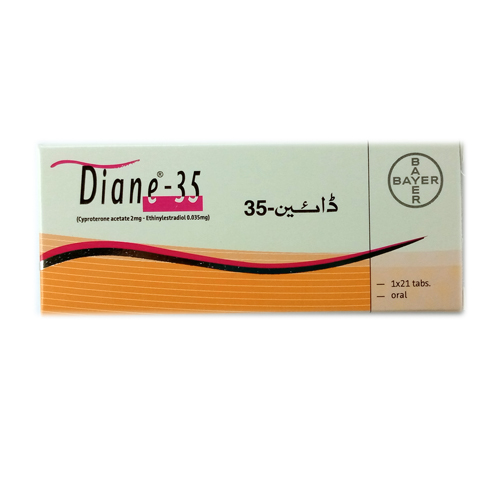
Diane 35 each beige, round, biconvex, sugar-coated tablet contains 2 mg of cyproterone acetate and 0.035 mg of ethinyl estradiol. Nonmedicinal ingredients: cornstarch, lactose, magnesium stearate, povidone, and talc; tablet coating: calcium carbonate, ferric oxide yellow, glycerol, polyethylene glycol, povidone, sucrose, talc, titanium dioxide, and wax.
Who should NOT take this medication?
Do not take Diane 35 (cyproterone – ethinyl estradiol) if you:
- are allergic to cyproterone, estradiol, or any ingredients of the medication
- are or may be pregnant
- have a history of cholestatic jaundice (yellowing of the skin, and whites of the eyes caused by problems with bile flow)
- have active liver disease
- have any eye problems caused by blood vessel disease in the eye (such as partial or complete loss of vision or other vision changes)
- have or have had a blood vessel or blood clotting disorder (including deep vein thrombosis, pulmonary embolism, thrombophlebitis, and cerebrovascular diseases such as stroke, heart attack, and coronary artery disease)
- have had otosclerosis (abnormal bone growth in the ear) that worsened during pregnancy
- have known or suspected breast cancer
- have known or suspected tumors dependent on estrogen
- have or have had liver tumors
- have severe diabetes with blood vessel changes
- have undiagnosed abnormal vaginal bleeding
- are taking another estrogen/progestogen combination or estrogens or progestogens alone
Contact your doctor if you experience these side effects in Diane 35 and if they are severe or bothersome. Your pharmacist may be able to advise you on managing side effects.
- abdominal cramps and bloating
- appetite changes
- breast pain, tenderness, or swelling
- brown, blotchy spots on exposed skin
- discomfort wearing contact lenses
- dizziness
- excess hair growth on face, chest, legs
- hair loss
- headache
- increased or decreased interest in sexual intercourse
- irritability
- menstrual pain
- mood changes
- nausea
- nervousness
- rash or reddish lumps under the skin
- red or purple spots or patches under the skin
- runny or stuffy nose
- swelling of ankles and feet
- unusual tiredness or weakness
- vomiting
- weight gain or loss